
Industrially manufactured materials sustainably transforming their production systems from the inside out
Fiber molding, injection molding, and 3D-printed wood highlight how established manufacturing technologies are being redirected to incorporate sustainable processes. Each industrial system is reimagined here with alternative materials and methods that reduce environmental impact without sacrificing performance.
Dry Molded Fiber for Sustainable Packaging
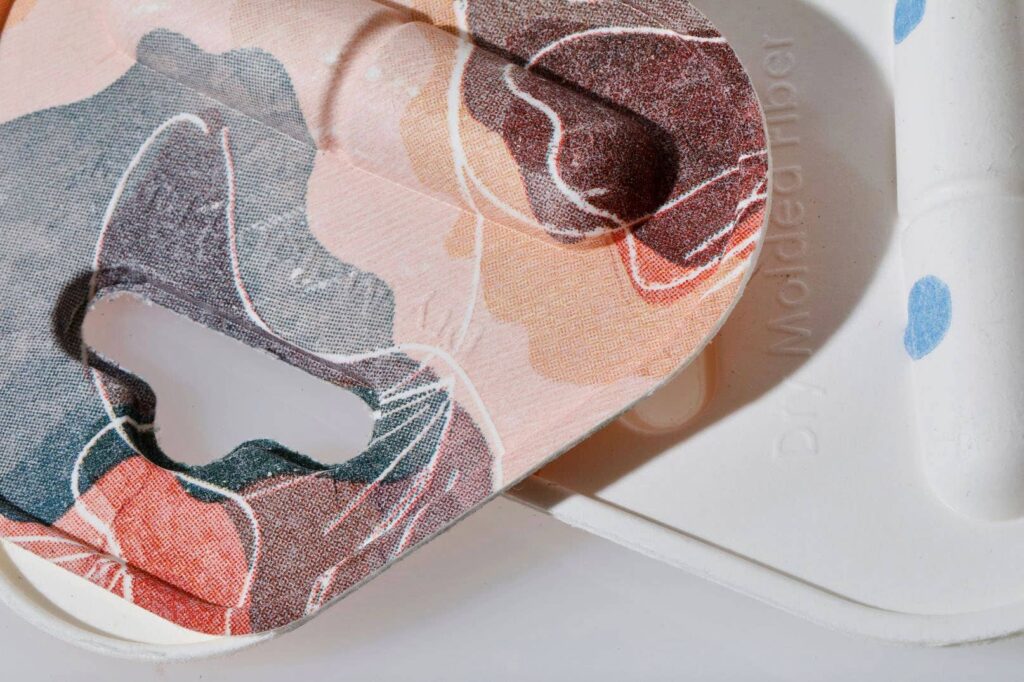
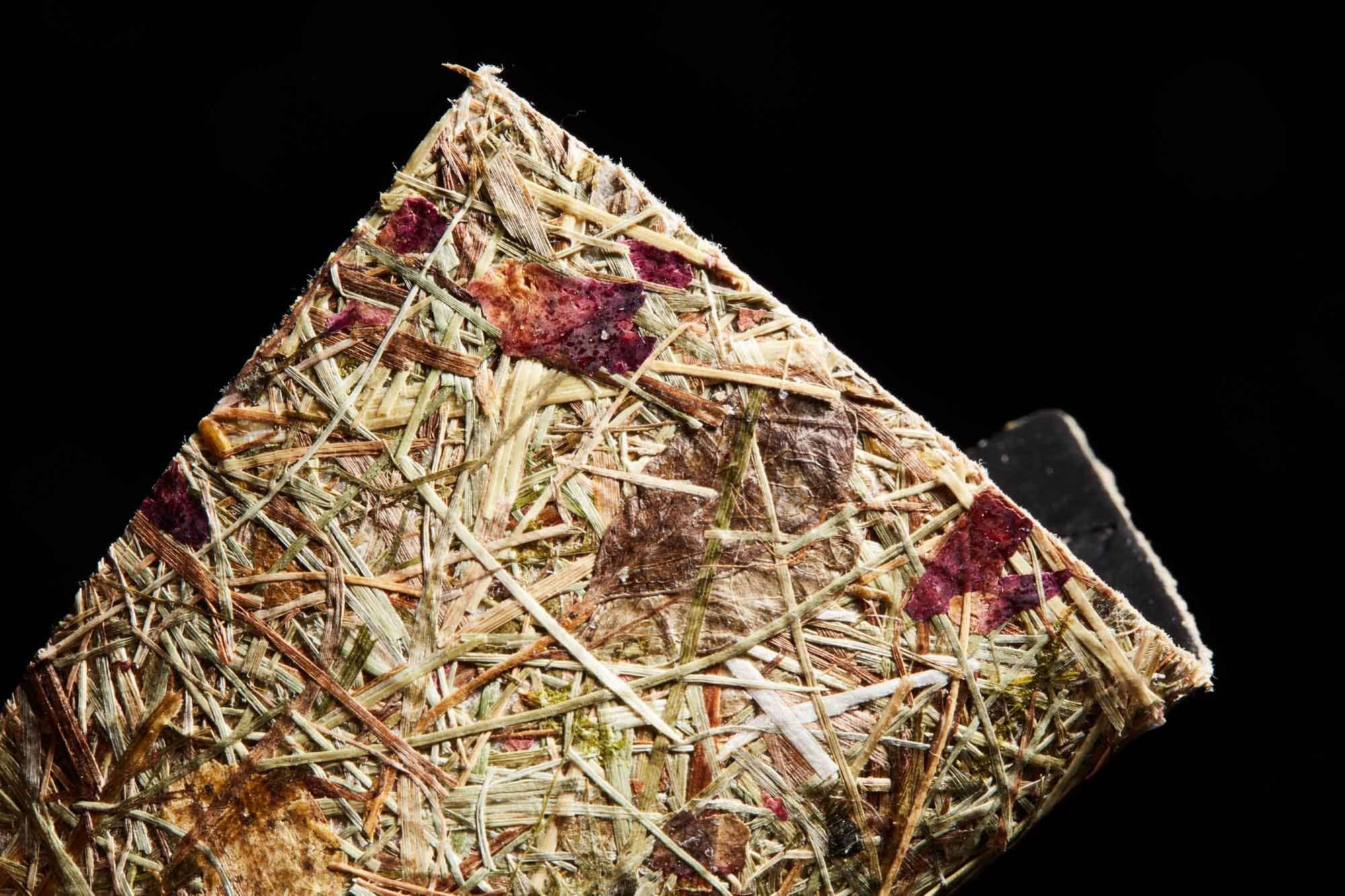
This first example is a fiber-forming technology that empowers packaging manufacturers and brands to create responsible and innovative packaging solutions. This process is a versatile, modular production line designed for high-volume manufacturing. It supports both standardized applications and tailored designs, offering single-line capacity with the flexibility to adapt and scale. This system transforms raw paper pulp or cellulose sheets into packaging products through an energy-efficient, one-step dry process that has a compact environmental footprint. Notably, the processing output isn’t capped by the technology itself- conversion rates scale directly with press size, meaning larger presses can push production even further. This Dry Molded Fiber process turns cellulose into durable, biodegradable packaging using no water, heat, or added chemicals- delivering a sustainable alternative to plastic at a fraction of the energy and cost.
Bio-Based PE and PP Composite for Injection Molding

Another example is a bio-based PE and PP composite engineered for high-performance injection molding, combining 25% bio-based polyethylene with polypropylene, talc, and additives for a balance between mechanical performance and a lowered environmental impact. Its raw material base offers exceptional design flexibility, supporting up to 15 color variations for a wide range of applications.
This material is compounded and extruded into pellets at industrial scale, replacing a portion of conventional petroleum-based polyethylene with a bio-based alternative, proving that large-volume manufacturing and reduced environmental impact can exist in parallel.
3D-Printed Wood Made from Industrial Wood Waste

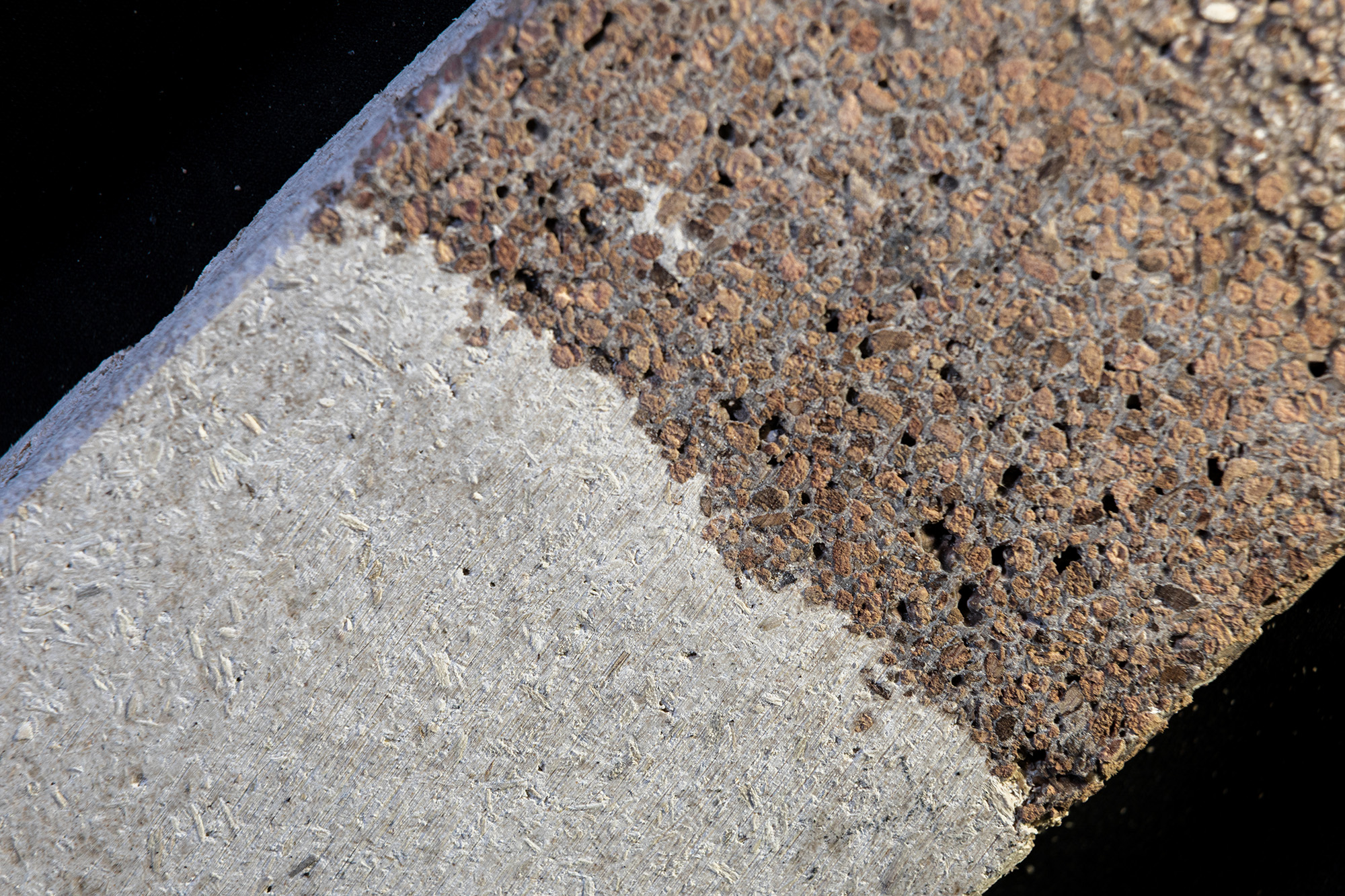
The final example is an ecological alternative to wood manufacturing that applies the speed, precision and quality of binder jetting to produce isotropic, high-strength, lightweight wood parts derived from wood waste streams. Binder jetting is an additive manufacturing process that upcycles industrial wood waste, such as sawdust, by selectively jetting a liquid bio-binder onto a powder bed layer by layer. By manufacturing wood at scale with digital inventory and cost effective mass customization, the company is giving a new life to discarded resources that are typically sent to landfill or burnt while creating carbon-friendly wood products.
Key capabilities of this material production technology utilize additive manufacturing which allows for intricate internal structures and organic shapes that are nearly impossible or extremely wasteful to carve using traditional subtractive woodworking.