Sustainable living: the potential of circular bio-based fibers
In recent years, new architectural and design approaches have been emerging with the aim of rethinking living spaces, reducing their environmental impact, and improving the well-being of the people who inhabit them. Among these, sustainable architecture stands out for its goal of creating energy-efficient buildings capable of reducing emissions while offering a higher quality of living, starting from careful consideration of the building’s entire life cycle: from the selection of raw materials, through construction, to eventual demolition.
March Materials promotes bio-architecture through the dissemination of bio-based, circular, local, and biodegradable materials, while also supporting sustainable architecture projects through awards, competitions, and a curated collection of completed works. In doing so, it encourages the adoption of alternative and more sustainable materials compared to traditional ones, fostering construction practices oriented toward the circular economy and the reduction of the environmental impact of the building sector.
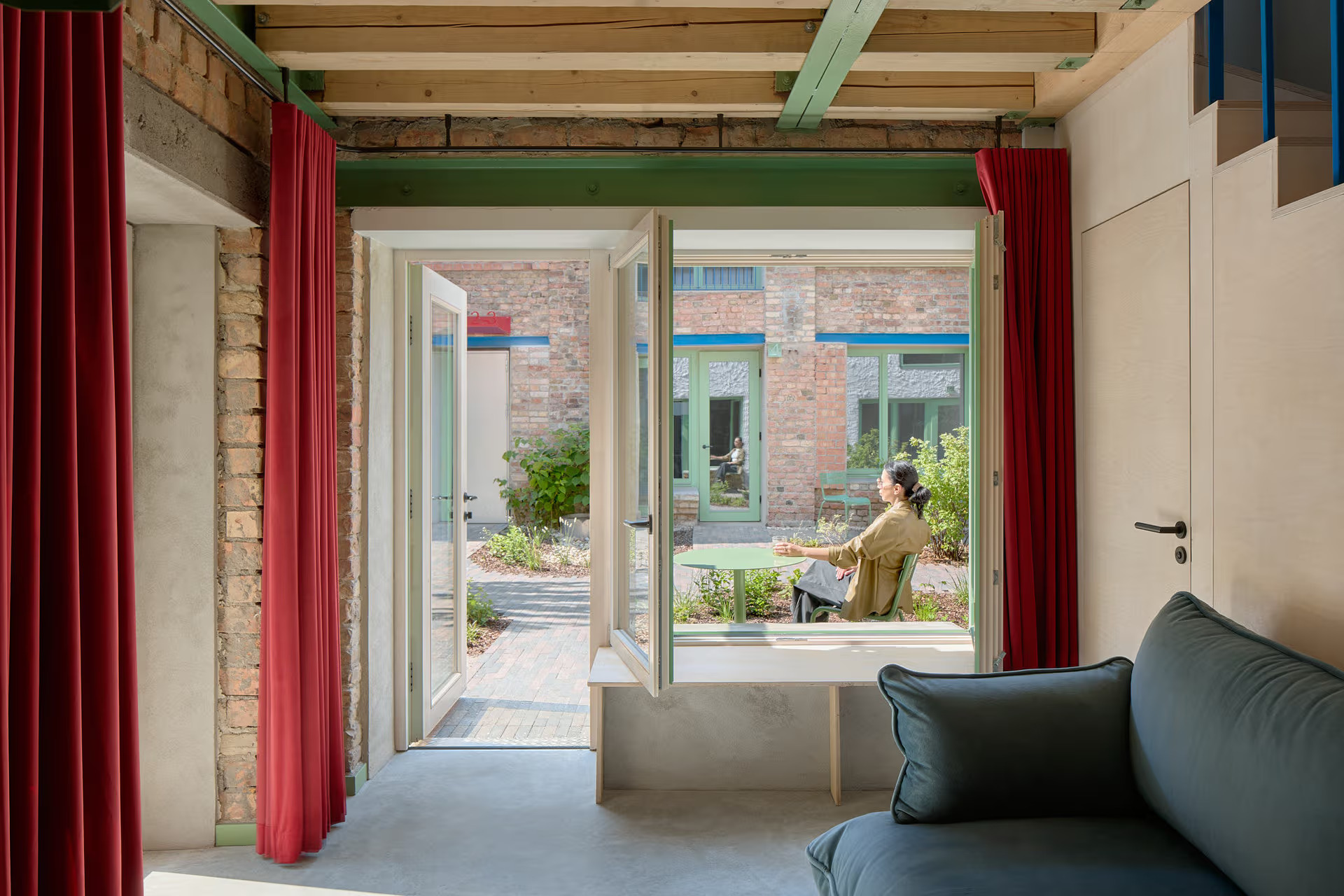
For this year’s edition – which will end on July 11 with the announcement of the winning project – one of the most compelling proposals is BOKO – A façade brings respiration with natural materials, created by joranmarisse architecture.
The project uses reclaimed brick waste to create a red cocciopesto biocomposite as a binder, thereby avoiding the need for additional mineral additives in the hempcrete walls (lime and hemp). In this new form, the color and texture enable the building to re-establish a connection with its surrounding context, through a design that also engages with local wildlife by incorporating grouped windows and new frames equipped with bird nests.
Beneath, a sheltered and welcoming space takes shape, designed to offer inhabitants a sense of home and protection. The result is a new façade that not only protects and breathes, but also tells a story and creates a refuge capable of integrating harmoniously with the natural environment.

Research into construction materials is also turning towards plant fibers – either in their pure form or derived from agricultural waste – combined with natural binders to create new materials for building and interior applications. The goal is to not only reduce dependence on virgin raw materials, but also to cut down on petrochemical components, lowering VOC emissions and improving indoor environmental quality.
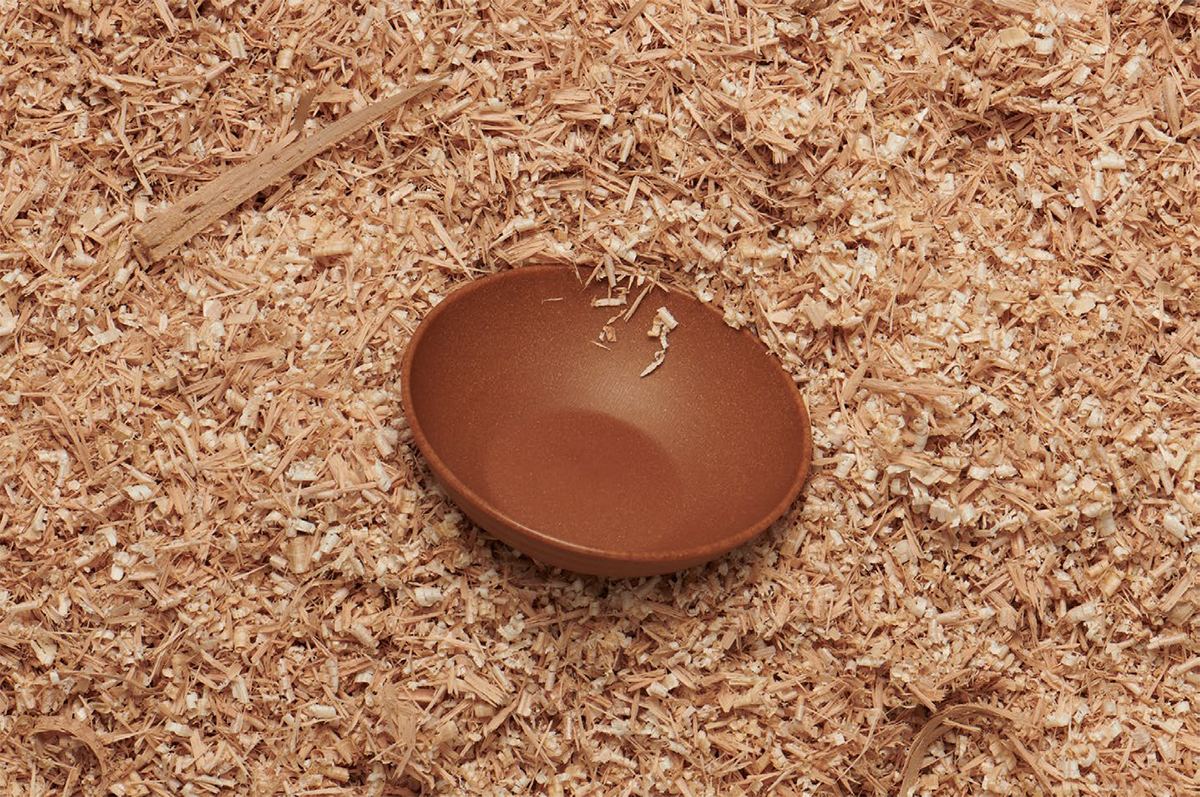
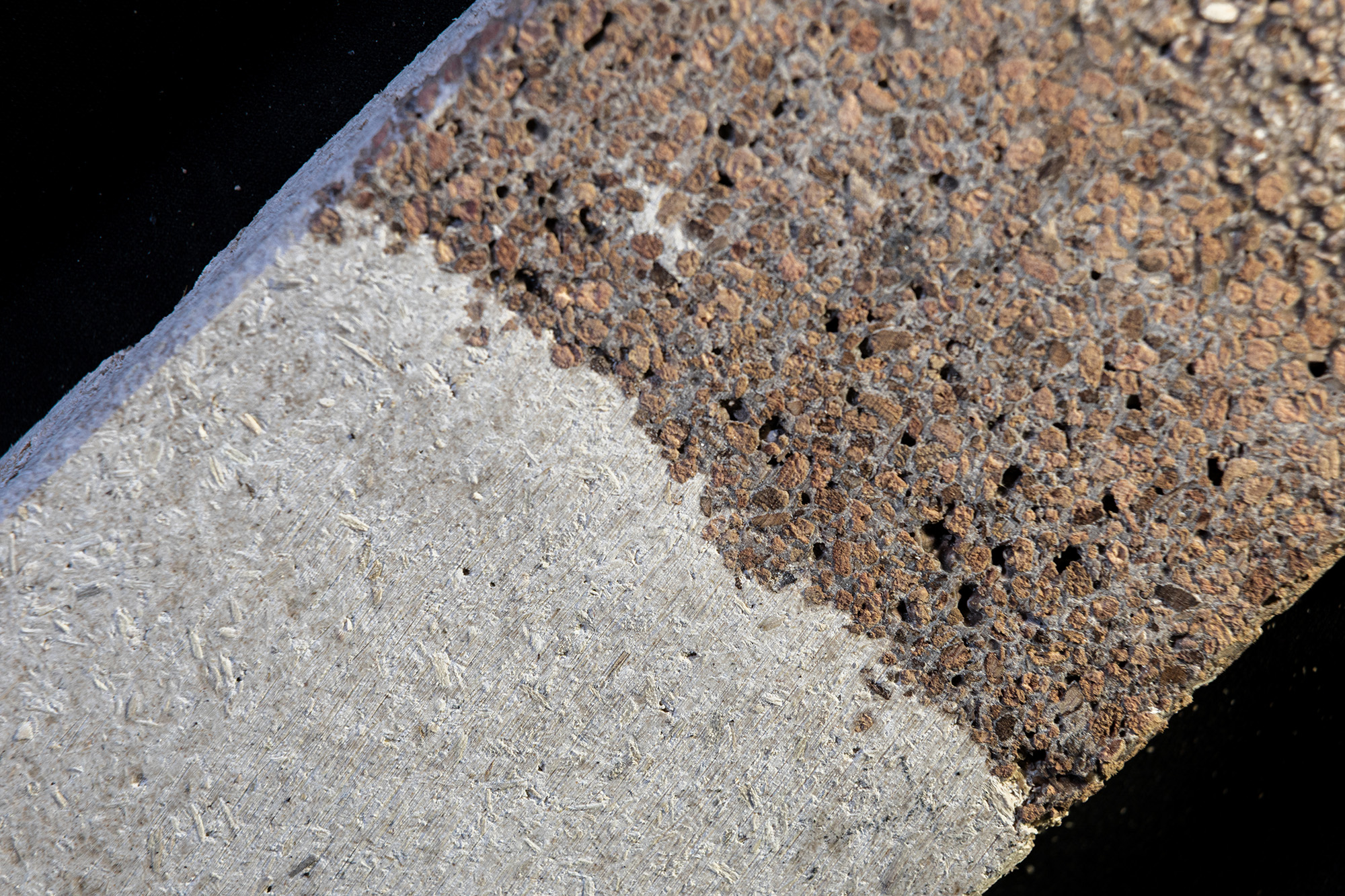
Among the various companies putting this approach into practice is the Austrian firm ParaStruct, which since 2021 has been developing solutions aimed at replacing materials such as OSB and MDF with fully recyclable alternatives for construction and interior design. The company produces bio-based panels and materials using plant residues and biogenic waste combined with low-carbon mineral binders.
ParaStruct stands out for its engineering-driven approach to material properties, developing ready-to-use mixtures that can be pressed into panels, bricks, or slabs, cast into free-form shapes, used as an alternative to plaster, or applied in 3D printing – either as standalone elements or integrated with existing components.

In the field of interior architecture, this material becomes an alternative to traditional plywood made by layering thin sheets of Japanese hardwood with layers of colored post-consumer recycled paper sourced from a region of Japan historically associated with papermaking. The wood veneers are produced through rotary peeling and subsequently laminated to create multilayer panels in a facility powered by renewable energy. The bio-based nature of the material also enables the storage of biogenic carbon, while the use of recycled resources helps reduce the consumption of virgin raw materials and the generation of waste.
The material is easily scalable and compatible with standard woodworking tools and machinery, a feature that facilitates its use in the production of furniture, cladding, and interior design solutions. Its applications range from furniture and home accessories to toys and everyday objects.