
Waste Reworked: Recovered Materials for Design and Fashion Applications
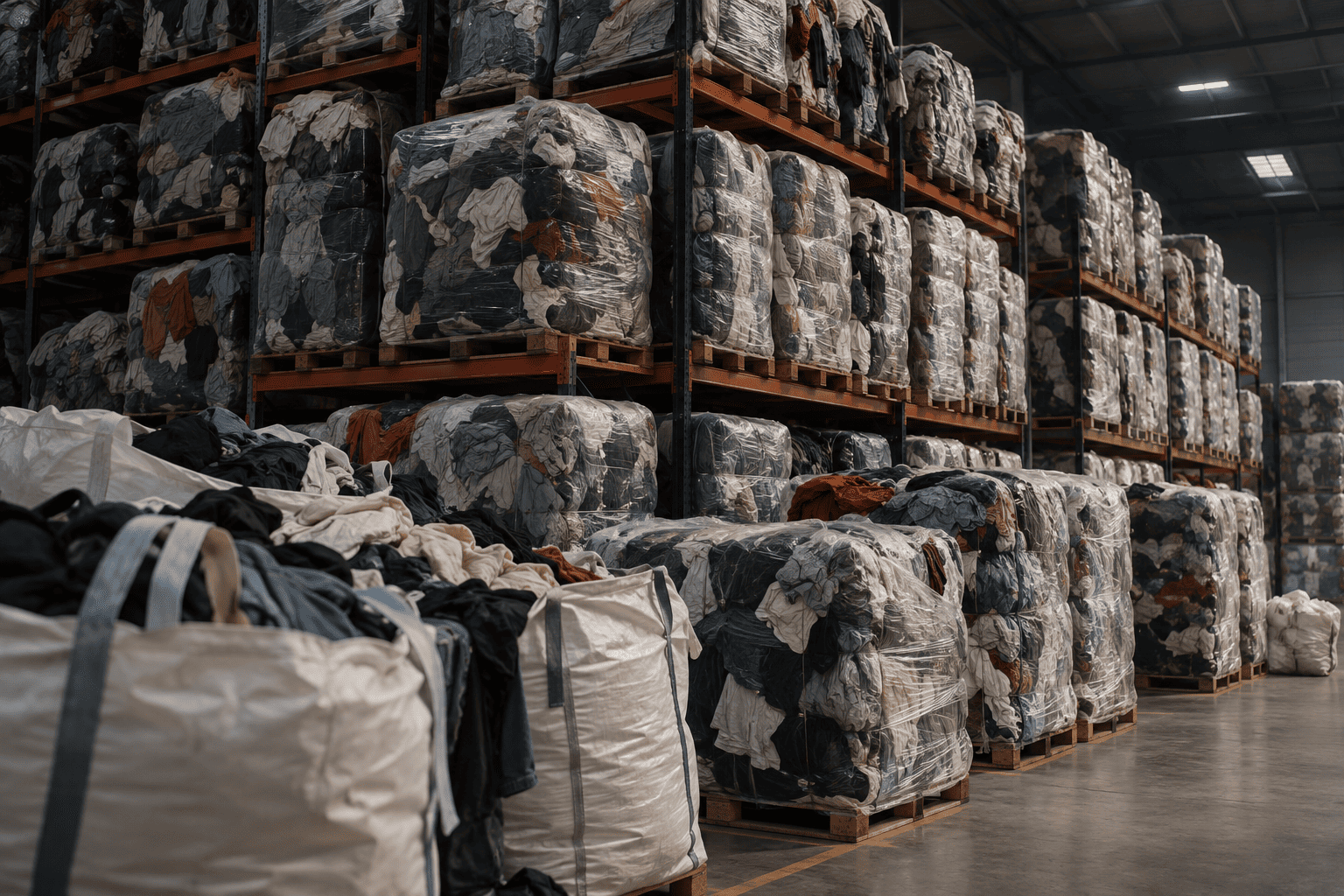
Waste is no longer treated as an endpoint but as a material in its own right. The following materials show how reworked waste can become revived products and wearables. Together they show how recycled content can be reworked into applications that point toward healthier material futures for the design and fashion sector.
Recycled Microfiber from Pre- and Post-Consumer Waste

This suede-like microfiber textile is made with recycled polyester recovered from pre-and post-consumer waste, while matching the look, feel, and durability of virgin suede itself. This textile can be used for hardworking applications such as upholstery, furniture and automotive interiors, proving that recycled content does not mean compromised quality. Recycled fibers reduce reliance on virgin, petroleum-based inputs, lower production emissions and keep materials in circulation longer. As textile-to-textile recycling improves, materials like this point toward a future in which products are designed to be recovered and reborn rather than discarded.
Recovered Textile Fibers for Interior Applications

Another example of recycled fiber innovation turns mixed pre-and post-consumer textile waste, such as industry cutting scraps and discarded clothing, into a new leather-like material for interiors. The shredded fibers are held together by a plant-based binder that can be reactivated, allowing the material to be broken down and remade many times. Applications such as acoustic wall panels, rugs, and furniture coverings show that recovered fibers can perform functionally as well as aesthetically. Materials like this prove that the future of design does not depend on extracting more, but using what we already have as the raw material for what comes next.
High-Performance Textiles from Recycled Sources

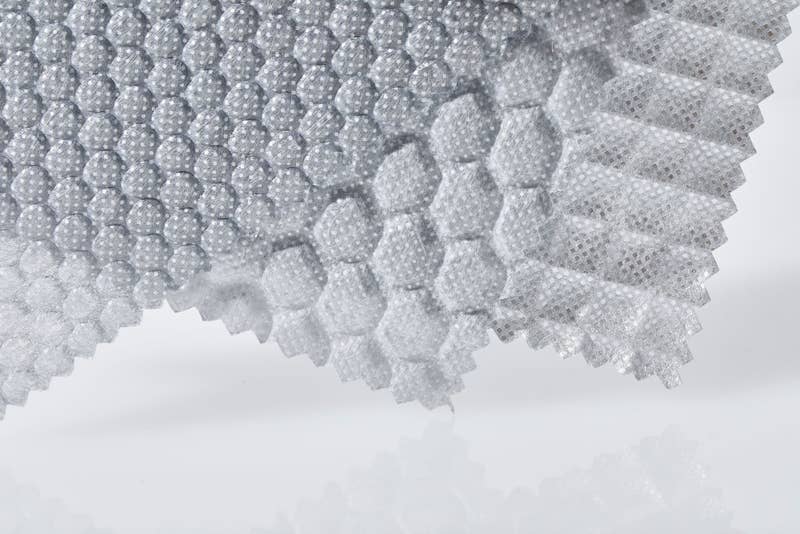
The final example is a radiant barrier technology that applies an ultra-thin reflective layer to fabrics made from recycled sources. This material highlights how recovered fiber can become a high-performance textile rather than a lower-grade textile substitute. By reflecting body heat back to the wearer, it cuts the insulation material needed by half, meaning fewer new materials are required for its initial construction. These fabrics are designed to be recyclable, as they can re-enter the textile-to-textile loop at the end of their life instead of ending up in a landfill. Material innovations within textiles show that recycled fibers are not just a way to mitigate waste but a foundation for building materials that are lighter, smarter, and designed for reuse.
These examples show that recycled fibers are not a compromise but a catalyst, demonstrating that the next generation of materials will be defined less by what we extract and more by how intelligently we recover, reinvent, and retain what already exists.
Are you developing a new product or looking for more sustainable alternatives to traditional materials? Materially supports companies in identifying bio-based, circular, and high-performance materials for new projects and applications.