How Biophilic and Sensory Design Can Enhance Our Wellbeing
In recent years, the focus on self-care has expanded beyond the products we use to include the environments in which we live and work. Today, our surroundings are expected to actively contribute to our physical and mental wellbeing. Biophilic and sensory design aims to enhance wellbeing by optimizing visual, acoustic, tactile, olfactory and thermal stimuli, helping to calm the nervous system, reduce stress and improve the overall user experience.
Video courtesy of Tessa Van Abkoude & Amar Mohindra from Materials Aesthetics Lab, TU/Eindhoven
Biophilic Design and Lighting for Indoor Greenery

As awareness of biophilic design continues to grow, along with its integration into interior architecture, indoor greenery has become a defining feature of offices, hospitality environments, retail spaces and public interiors. Beyond its aesthetic value, it contributes to perceived wellbeing and enhances the overall spatial quality of a space.
Yet plants are often incorporated without a dedicated lighting strategy, relying instead on general illumination that is insufficient to support the long-term health and growth of ornamental vegetation.
ORNAMENTALE is the result of the collaboration between lighting design studio D’Alesio & Santoro and the technical expertise of formalighting. The collection features phytostimulant-spectrum LED luminaires specifically developed around the physiological needs of plants while preserving the natural colour rendering of the surrounding environment.
The system includes a range of lighting solutions, each designed to meet different distribution and output requirements, making it adaptable to a variety of vertical installations and spatial configurations.
Natural Acoustic Materials for Sensory Wellbeing

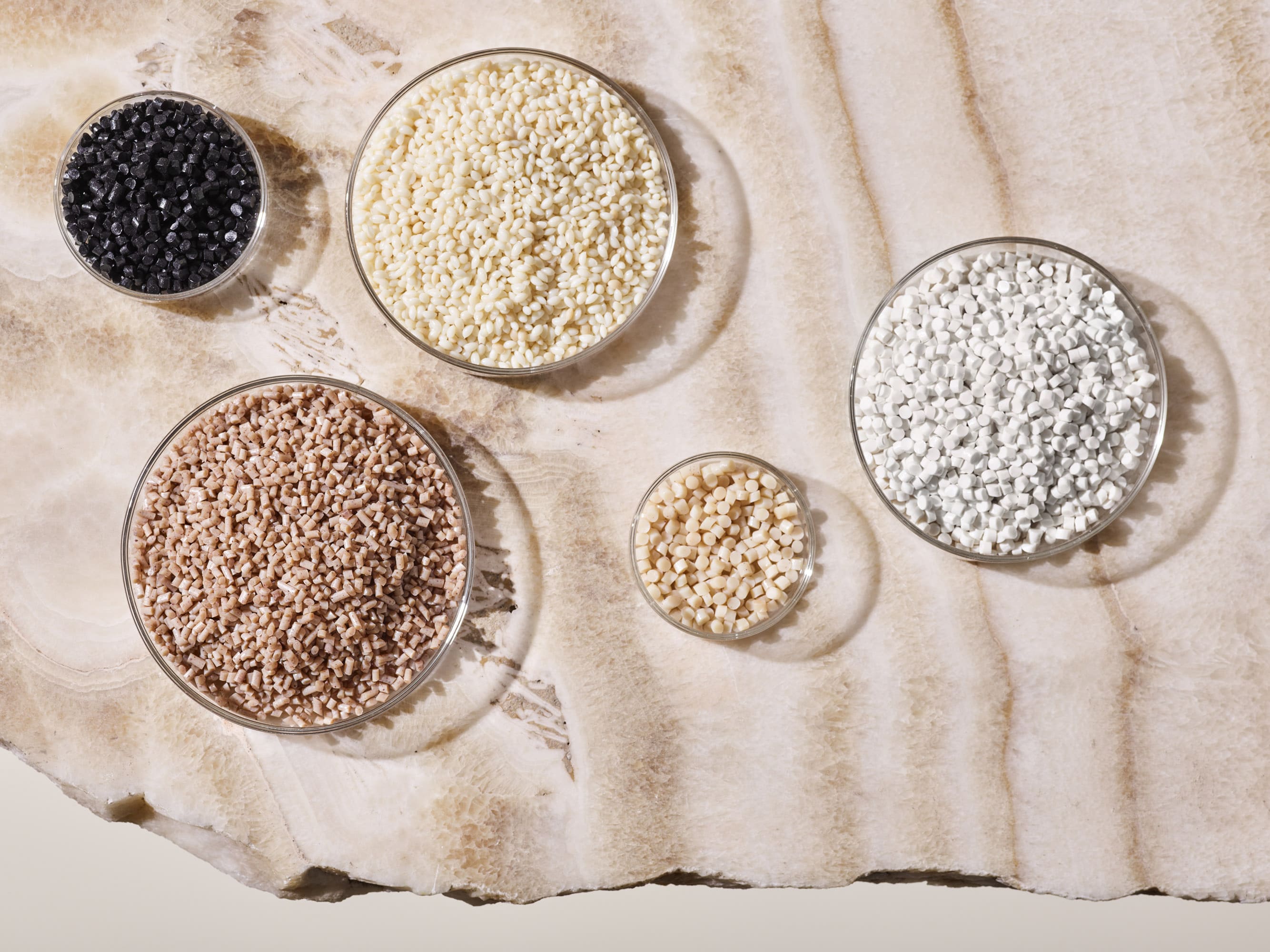
ARCHISONIC® Cotton by Impact Acoustic demonstrates how natural fibres and bio-based materials can elevate public spaces, hospitality environments and retail interiors, transforming acoustic performance into a richer sensory experience. Every element is designed to balance technical performance with user wellbeing, offering solutions that go far beyond sound absorption.
Founded in 2019 by Sven Erni and Jeffrey Ibañez, Impact Acoustic has quickly established itself as a Swiss pioneer in sustainable acoustic design. The company transforms waste streams and bio-based resources into high-performance acoustic materials while maintaining a strong commitment to environmental responsibility and sensory quality. ARCHISONIC® Cotton tiles, for example, are manufactured from natural cellulose fibres and coloured with environmentally friendly pigments, often enriched with natural substances such as coffee or coconut. Beyond delivering excellent acoustic performance, these materials release subtle natural fragrances that further contribute to users’ sensory wellbeing.
Soft Interfaces: Responsive Materials and Dynamic Surfaces

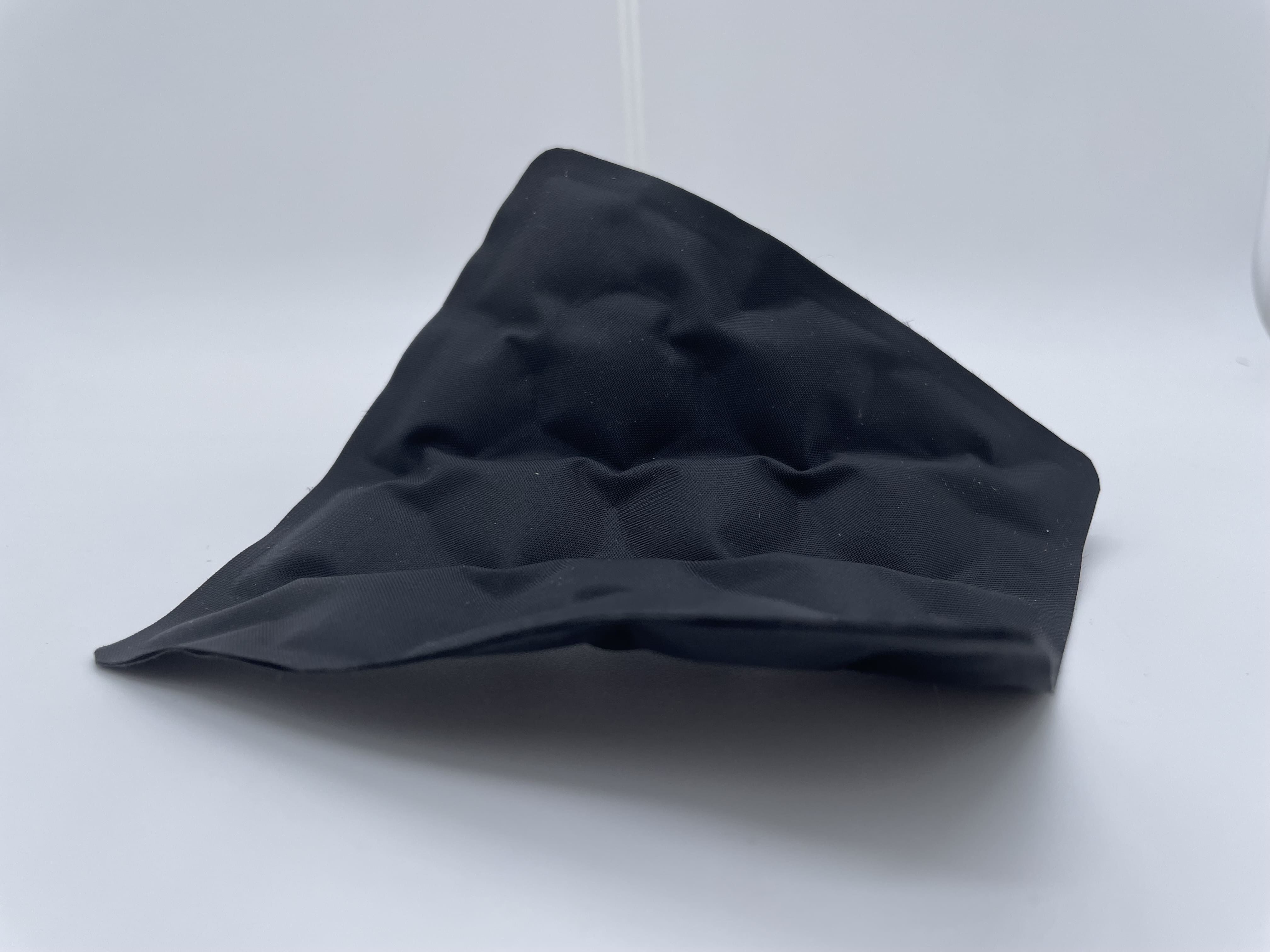
Soft Interfaces explores how the materials surrounding us can dynamically respond and transform according to human behaviour and interaction. The concept spans a wide range of potential applications, from automotive interiors that adapt to drivers’ needs, to responsive wellness textiles and architectural surfaces capable of interacting with their environment.
Among the most innovative developments are shape-memory materials and magnetically deformable materials created by students at the Materials Aesthetics Lab of TU Eindhoven, alongside the breathing textiles developed by Tessa van Abkoude as part of the Soft Interfaces platform.
These material systems emerge from highly interdisciplinary research environments where designers, scientists and engineers collaborate to develop advanced technologies for soft, responsive interfaces capable of adapting to touch and user needs. Surfaces can guide attention, provide tactile feedback or change state through movement – but only when interaction is required. In this way, interaction itself becomes an integral property of the material, placing technology at the service of human wellbeing.