
Heat Changes Color: 3 Thermochromic Materials
The evolution of smart materials is transforming surfaces into dynamic interfaces capable of reacting to environmental stimuli. Integrating thermochromic technologies into manufacturing processes makes it possible to combine aesthetic value with functional performance, translating thermal variations into an immediate visual signal. From high-resistance coatings and smart labeling to technical sportswear fabrics, a growing number of examples show how color can become an active design tool.
Reversible Thermochromic Pigments with High Resistance
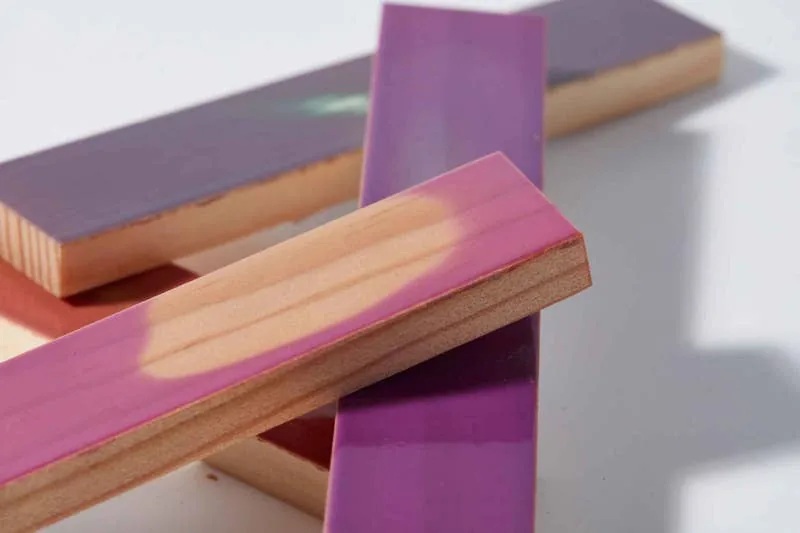
The first example involves a new generation of reversible thermochromic pigments used across the coatings, plastics, cosmetics, and textile sectors. Unlike traditional encapsulated dyes, these pigments consist of solid particles—a structural feature that ensures significantly higher resistance to UV radiation and abrasion. The system allows customization of both the color pairing and the transition speed within a thermal range between -100 °C and +100 °C (-148 °F to +212 °F). Easily integrated into paints, inks, and masterbatches, these additives preserve the physical and chemical properties of the final material, overcoming the durability limitations typical of conventional color-shifting finishes.
Dual-Response Thermochromic Dyes

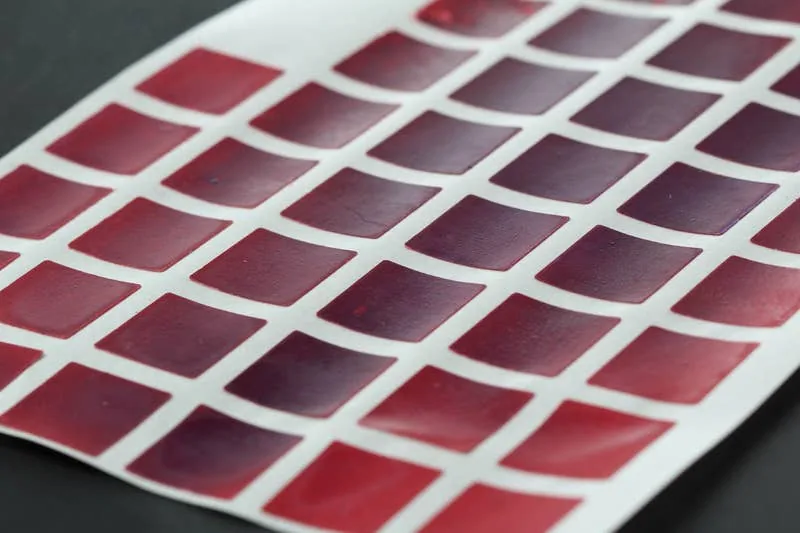
A second case features a reversible thermochromic technology based on leuco dyes, engineered to shift across two different colors upon reaching two distinct temperatures. While standard pigments activate at a single thermal threshold, this formulation reacts to fluctuations of approximately 3 °C (5 °F) within an adjustable window between -4 °C and +68 °C (24 °F to 154 °F), delivering maximum legibility when transitioning from lighter to darker shades.
Applicable to most substrates as a powder, liquid slurry, dye, or masterbatch, this dual visual response expands customization possibilities in functional packaging, quality control labels, and process monitoring.
Temperature-Sensitive Textiles for Sportswear and Accessories

The final example brings thermal responsiveness to sportswear and accessories through a woven nylon and spandex tape printed with temperature-sensitive silicone. The material acts as an immediate visual indicator—distinguishing between cold, medium, and hot conditions—thanks to thermochromic additives incorporated directly into the silicone matrix.
Combining an elastic textile backing with functional printing makes it possible to produce responsive bands in thicknesses from 0.2 to 3 mm and widths from 5 to 140 mm, customizable with patterns and graphics that make ambient or body temperature variations immediately visible.