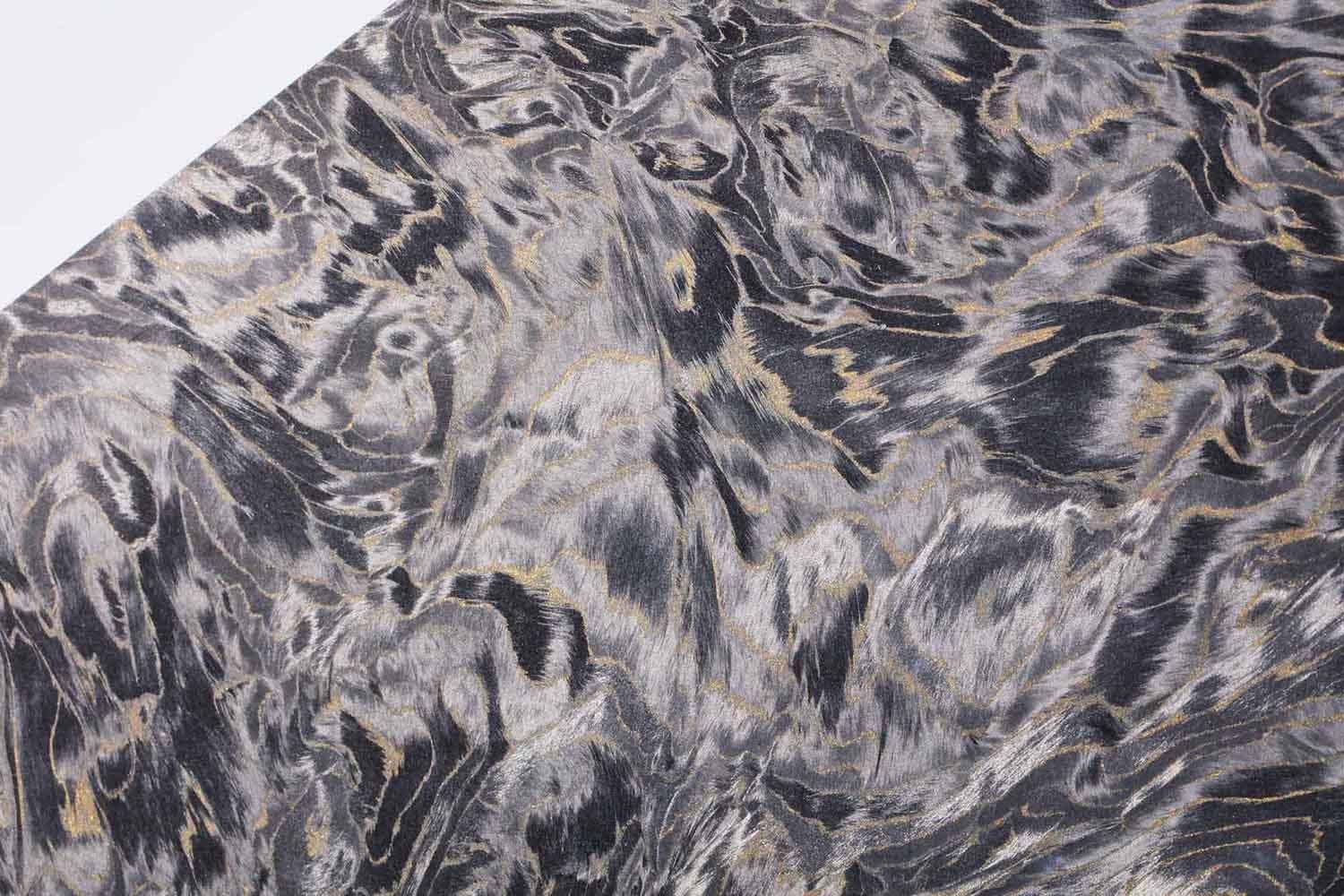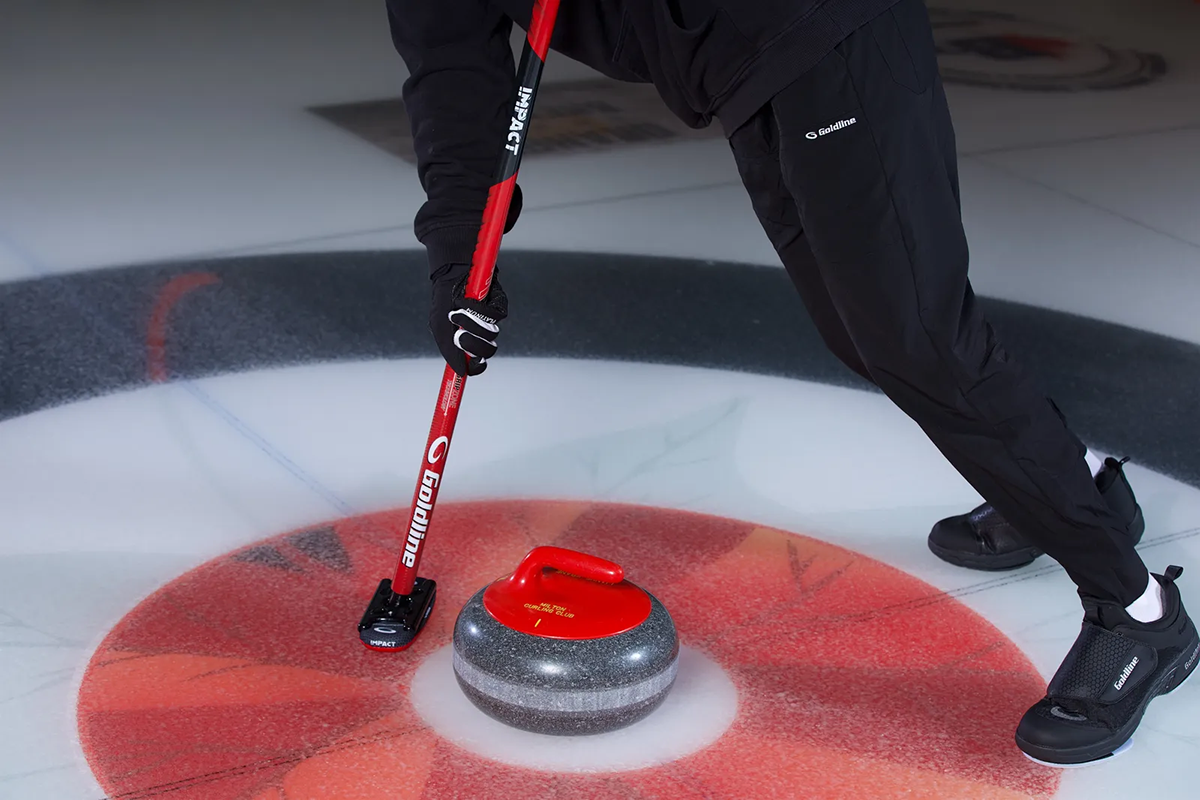
Three materials comining performance and aesthetics in sports
Over time, the Olympics have seen a meaningful evolution in the sportswear and sporting equipment used by athletes. Sustainable materials, now capable of delivering performance comparable to traditional ones, are combined with innovation and aesthetic solutions, where design and performance merge in a novel and distinctive way.
The advisory team at Materially, which supports companies in the research for innovative and sustainable materials, has selected three materials from the Material ConneXion database that embody these principles, blending aesthetics, sustainability, and performance.
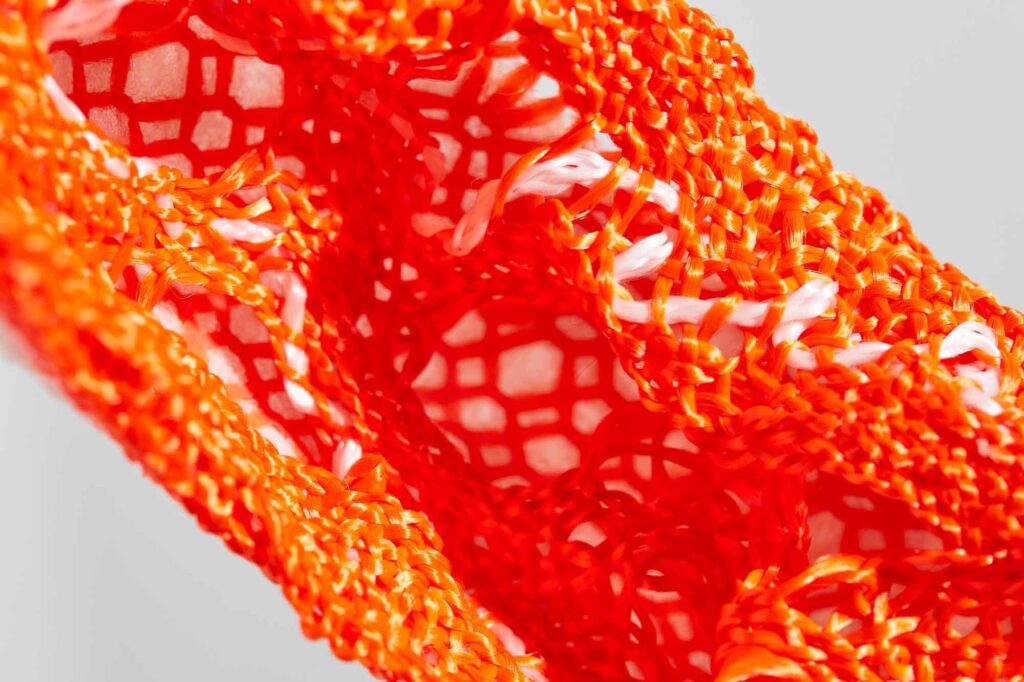
This seemingly knitted fabric is actually a composite material impregnated with thermosetting resin, featuring woven patterns custom-designed to meet specific performance requirements. The textile modeling technology allows for the use of a wide variety of yarns, in type and weight, resulting in breathable composite structures with customizable levels of flexibility.
The filament network is interconnected using proprietary technology based on Jacquard Torchon weaving equipment – a modern evolution of lace-making machines – capable of producing braids, sleeves, or strips.
Performance characteristics are integrated directly into the fabric during the design phase, thanks to pattern engineering that enables the creation of targeted reinforcement zones. At the same time, the open-weave patterns allow the production of ultra-lightweight structures, particularly suited for specialized applications in sports equipment.
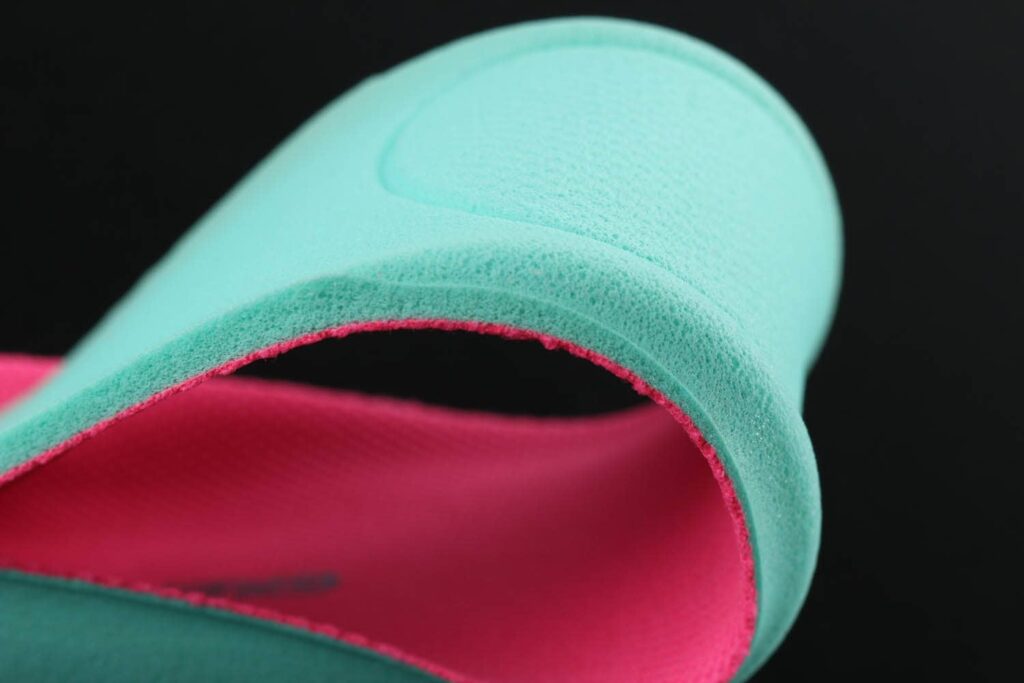
Highly flexible and absorbent, this sole is made from biodegradable polyurethane (PU) foam. The material’s biodegradability is achieved through the integration of specific organic additives within the mixture, which promote decomposition: under controlled laboratory conditions, the material biodegrades in less than two years.
Thanks to its porous structure, the foam can absorb over 100% of its own weight in water, facilitating moisture transfer away from the body and ensuring a high level of comfort. The material also exhibits excellent elasticity, with permanent deformation exceeding 60% of its original length. Versatile in application, it can be used as both an insole and an upper, making it particularly suitable for sports footwear and sportswear, where temperature control and balance are key factors.

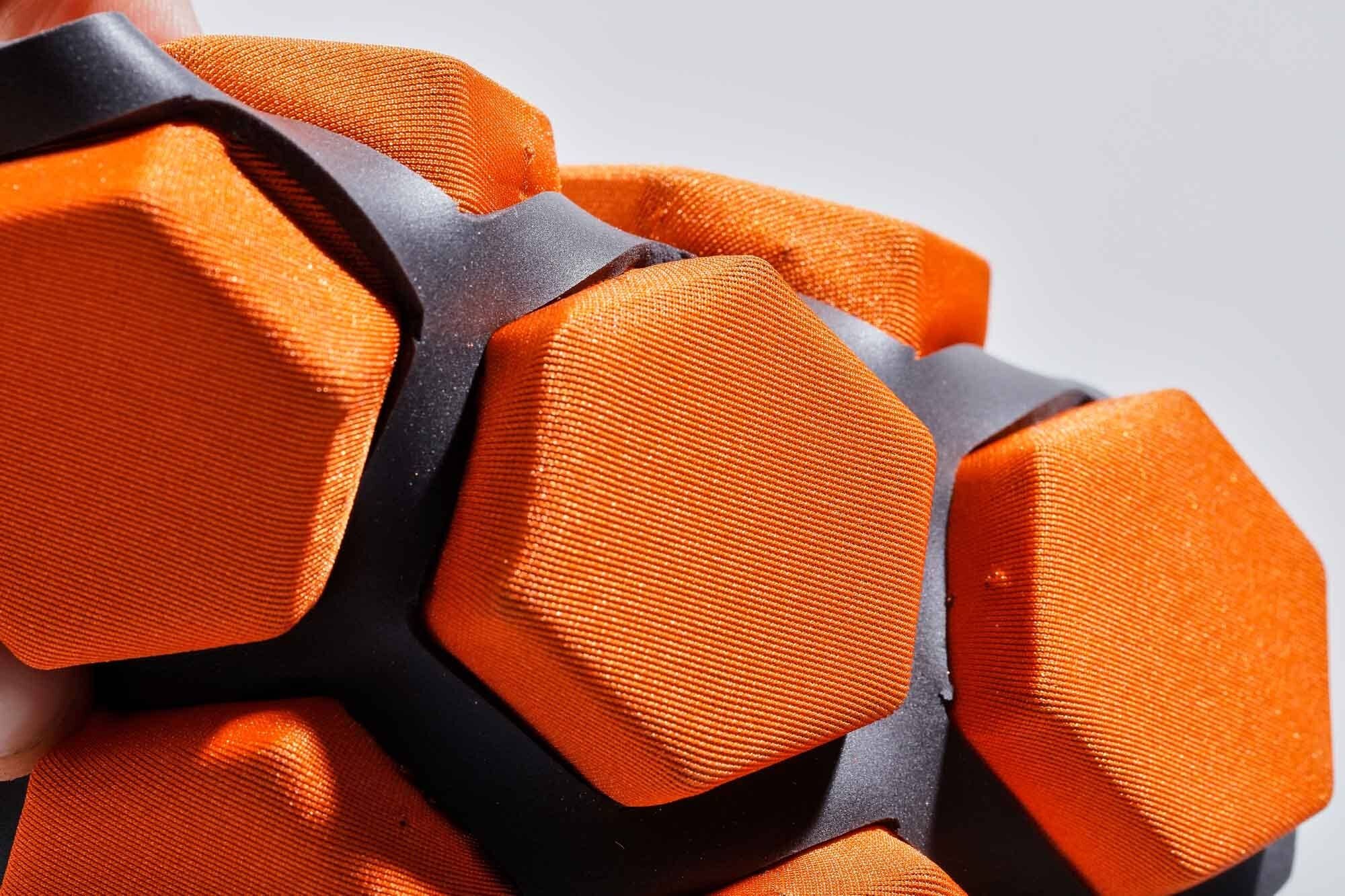
A patented padding technology has been developed for helmets and protective gear, designed to minimize head trauma and the risk of concussions in sports. The system is based on three key components – Wind Springs, Impact Vents, and Refresh Vents – that work together to create self-regenerating “airbags” capable of absorbing and dissipating impact energy immediately, while maintaining the ability to perform the same function repeatedly over time.
Made from porous foam, the individual cushions in the system regulate airflow upon impact, enhancing protective effectiveness. Thanks to a compression molding process, the padding can be covered with a wide range of stain-resistant and antibacterial fabrics.
Both structure and stiffness are customizable, making the material adaptable to various sports disciplines as well as protective equipment for motorcyclists, drivers, and other high-performance applications.
Discover the Materials Insights subscription by Material ConneXion: thousands of content pieces and trend reports on innovative materials, plus access to a database featuring over 10,000 sustainable and innovative materials you can explore for your projects.
For more information, contact us at info@materially.eu.