Between Nature and Technology: Three Material Solutions for Healthy Interiors
Today, innovation in materials for design and architecture is moving beyond sustainability alone, increasingly focusing on solutions that enhance the livability of both indoor and outdoor spaces. In this evolving landscape, aesthetics, health, and environmental responsibility converge through the use of smart and circular materials.
Among the next-generation materials and technologies hosted – or in some cases accelerated – by Designtech, several exemplify this approach by seamlessly integrating nature and technology to improve the quality of built environments. Materials with advanced structural performance or air-purifying capabilities emerge from a design philosophy that combines natural elements such as wood, moss, and plants with innovative production processes, physical and chemical transformations, and hybrid material systems.
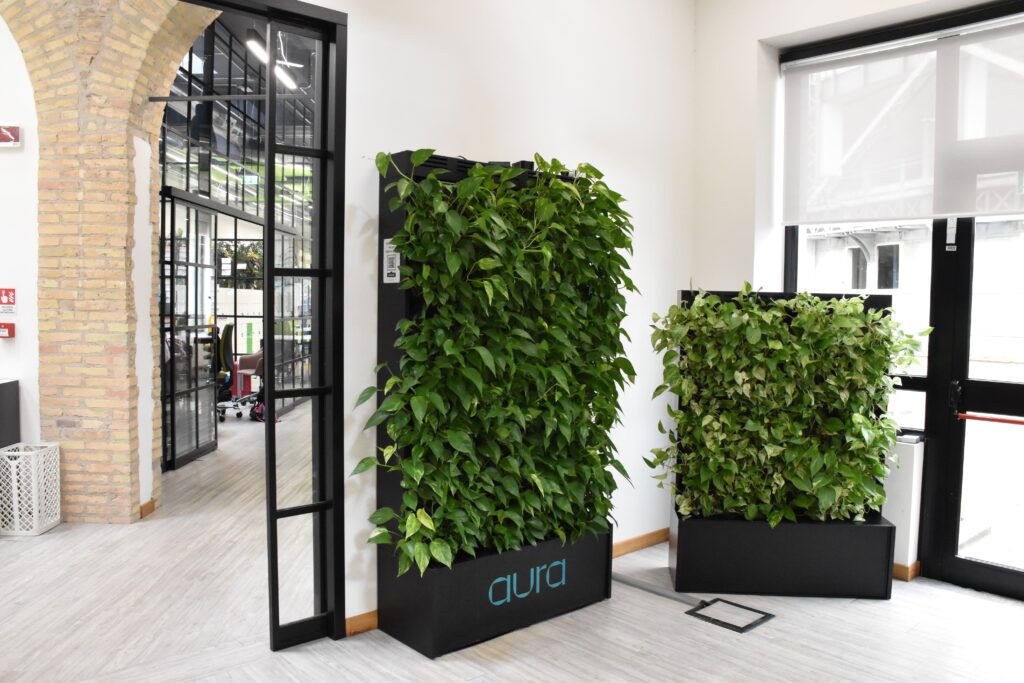
Aura, for instance, is a startup accelerated by Designtech that develops integrated or stand-alone green walls. The Aura system is based on a patented substrate called Aura Mix, which enhances the plants’ natural ability to absorb CO₂ through photosynthesis while simultaneously purifying the air. Silent fans direct indoor air toward the green wall, forcing it through the Aura Mix substrate, where pollutants are captured and filtered. These contaminants are then eliminated by the plants through their root systems via phytoremediation, returning clean, fresh air to the space. The system’s effectiveness has been validated through laboratory testing and real-world applications, including installations in several Designtech meeting rooms.

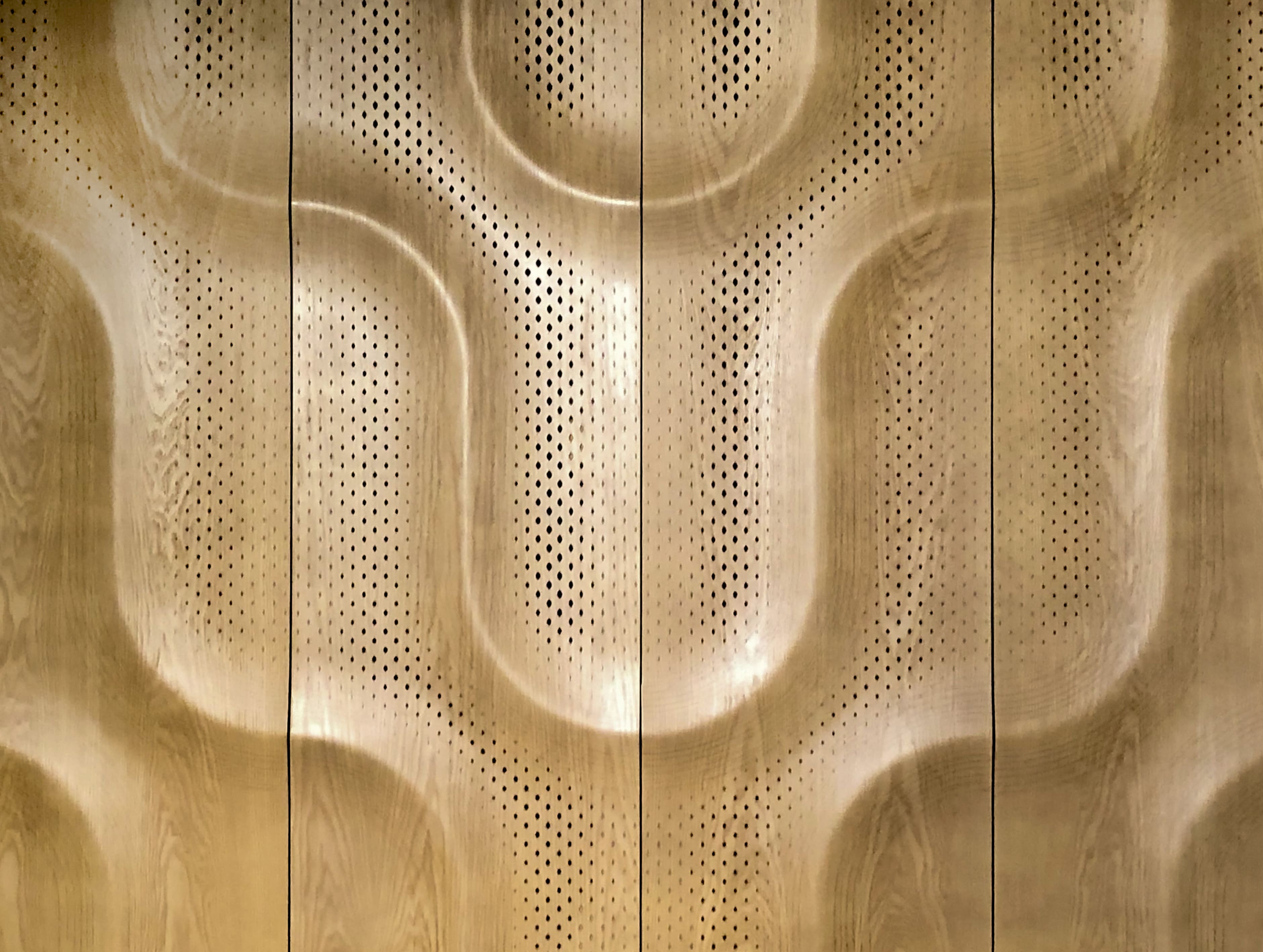
Another example is Woodflow Skin, used to clad a wall in Designtech’s living space and featured in the Material ConneXion database. This lightweight cladding is made from a biocomposite material composed of 90% wood veneer and 10% natural binders. Its production process combines parametric design, structural optimization, and digital manufacturing within a fully computerized workflow. Weighing just 3.4 kg/m², Woodflow Skin is easy to install without compromising structural performance or impact resistance. Its high adaptability allows for free-form and complex geometries, making it suitable for both interior architectural cladding and exterior applications.
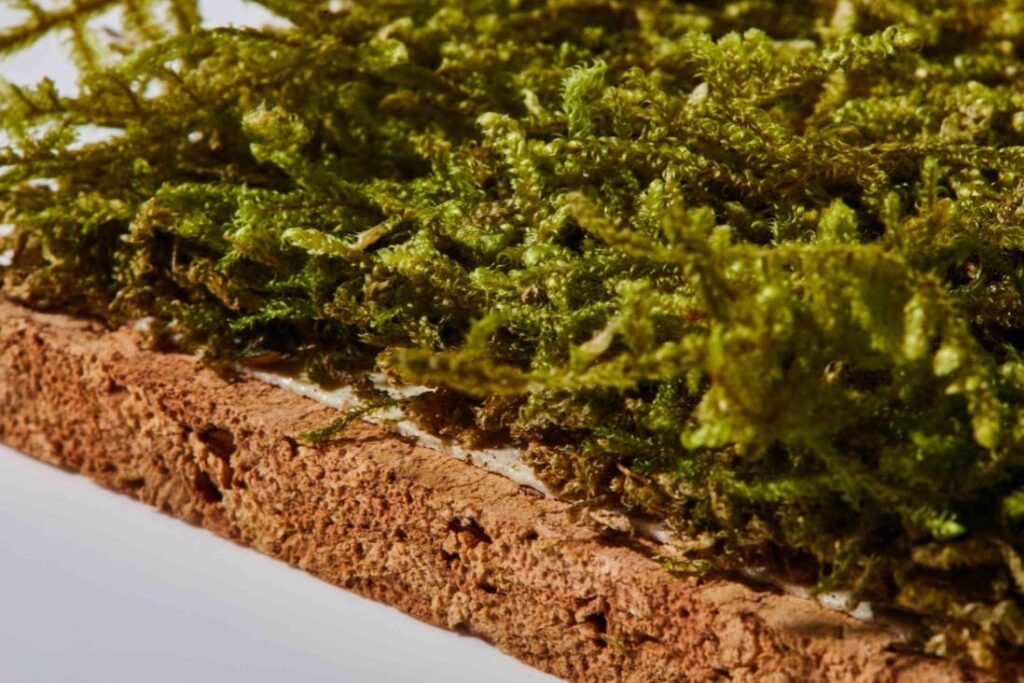
Among other materials in the Material ConneXion database that align with this vision is a wall covering from Japan made of entirely natural, freeze-dried fresh moss. Free of chemical dyes and supported by a durable rubber backing, the moss is harvested at the foot of Mount Fuji and retains its vitality and aesthetic appeal without requiring water or soil. Immediately after harvesting, the moss is rapidly frozen at -35°C and then slowly dried over approximately two weeks. The backing is reinforced with raw rubber, preventing flaking and ensuring long-term durability. The result is a living, natural material that is versatile and easy to apply, ideal for wall coverings in residential and commercial interiors, tabletop décor, and accessories, bringing a sense of nature, harmony, and well-being into everyday spaces.