Unusual sports – and the materials that make them work
Lightness, controlled friction, mechanical strength, and aerodynamics are some of the key parameters driving the development of materials in winter sports. The Milano Cortina 2026 Winter Olympics provide an opportunity to analyze how these solutions are applied in certain niche but highly technological disciplines.
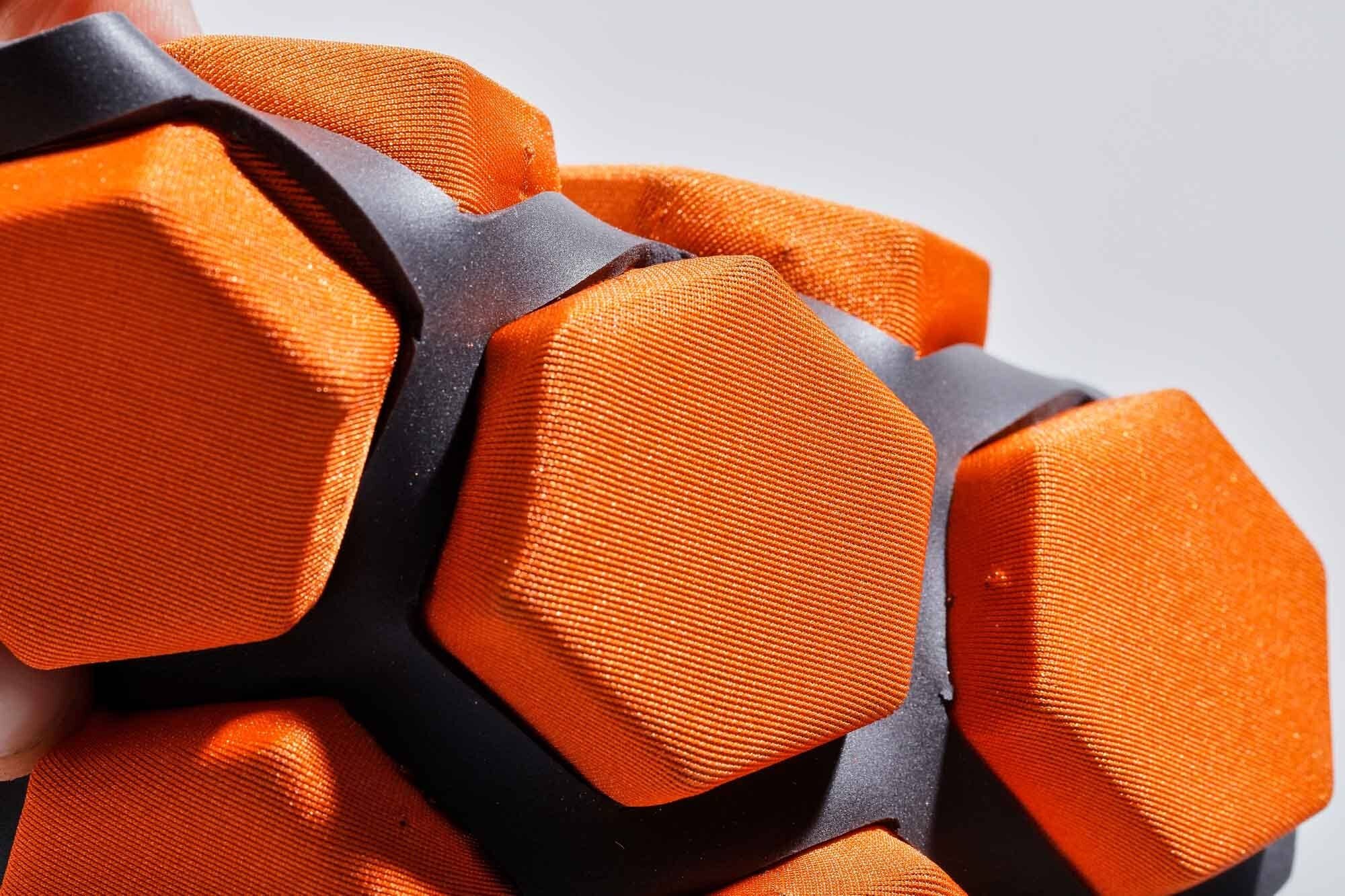
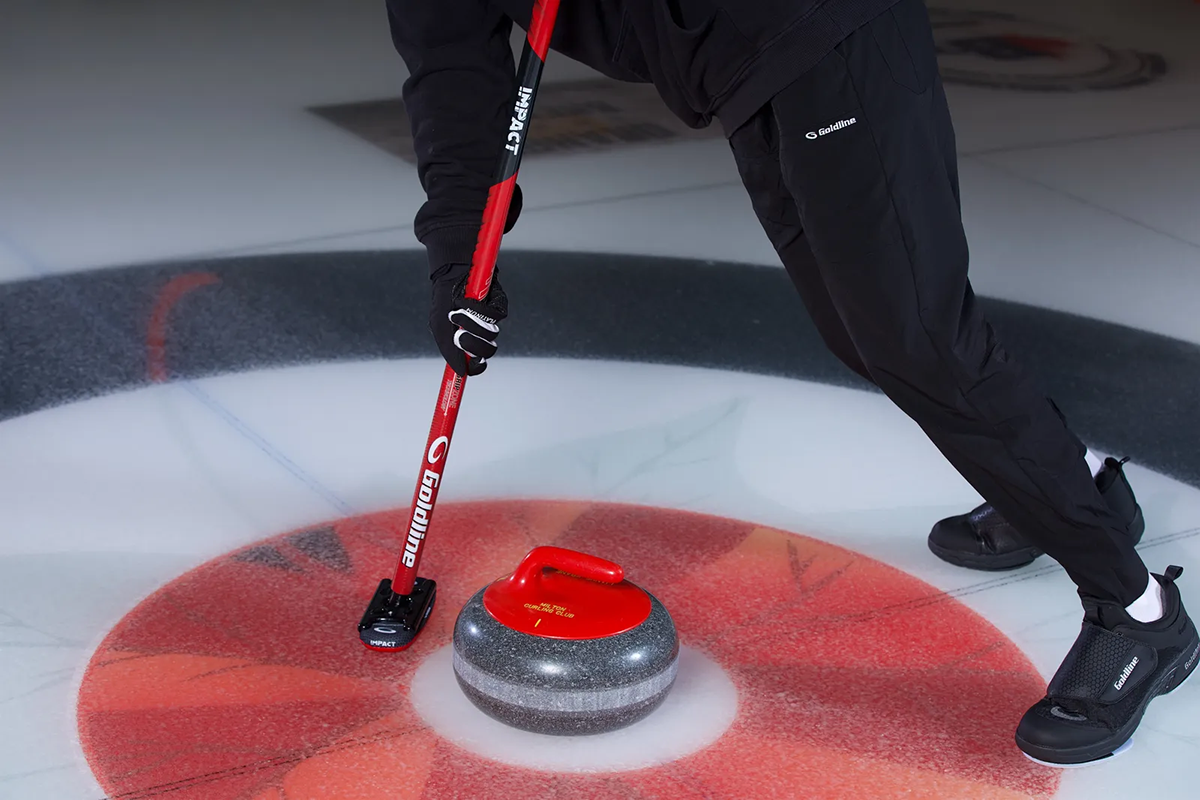
Curling, a very traditional sport, has benefited from significant material advancements. The broom used for sweeping now features carbon fiber handles and heads made of polyurethane foams covered with high-strength synthetic fabrics, such as 420D Nylon Oxford. In 2015, the introduction of the IcePad – made with Cordura-like fabrics coated with PU or PVC featuring a rigid internal plastic layer – sparked the so-called “Broomgate.” In fact, the broom’s ability to micro-scratch the ice excessively altered the stone’s trajectory, leading the World Curling Federation to ban its use in competition.
Footwear is also highly specialized: the shoes are asymmetric, featuring one having a sliding sole made of reinforced Teflon or steel and the other made of high-abrasion-resistant rubber.
The stones used in this sport stay, however, unchanged, made exclusively from granite from Scotland’s Ailsa Craig island, in the “common green” and “blue hone” varieties, prized for their thermal and structural stability.

In bobsleigh, a discipline in which speeds exceed 130 km/h, design is heavily focused on aerodynamics and control. Modern sleds feature fairings made of composite materials, such as carbon or glass fibers, which provide high mechanical strength, flexibility, and ease of component replacement. The frame is constructed from steel structures, while the runners, also made of uncoated carbon steel, directly affect performance and maneuverability. Their temperature is strictly regulated: values above the limits result in disqualification, as they reduce friction on the ice.
Finally, athletes’ equipment includes form-fitting elastane suits to minimize aerodynamic drag and Kevlar jerseys designed to protect against abrasions and burns in the occurrence of collisions or rollovers.

In biathlon, a sport that combines cross-country skiing and rifle shooting, one of the most recent areas of development concerns ski waxes, which are now formulated with non-toxic, fluorine-free compounds, in response to both environmental concerns and international regulations.
The technological core of biathlon lies in the .22 caliber rifle used by athletes for target shooting, particularly in the stock, which integrates the grip as well as shoulder and chin rests. This component must be as light as possible and is made from selected woods, carbon fiber, or even entirely 3D-printed. Many manufacturers offer customized versions of the entire stock or individual components in plastic, to optimize ergonomics and stability. Titanium inserts can also be added to further reduce weight without compromising rigidity.