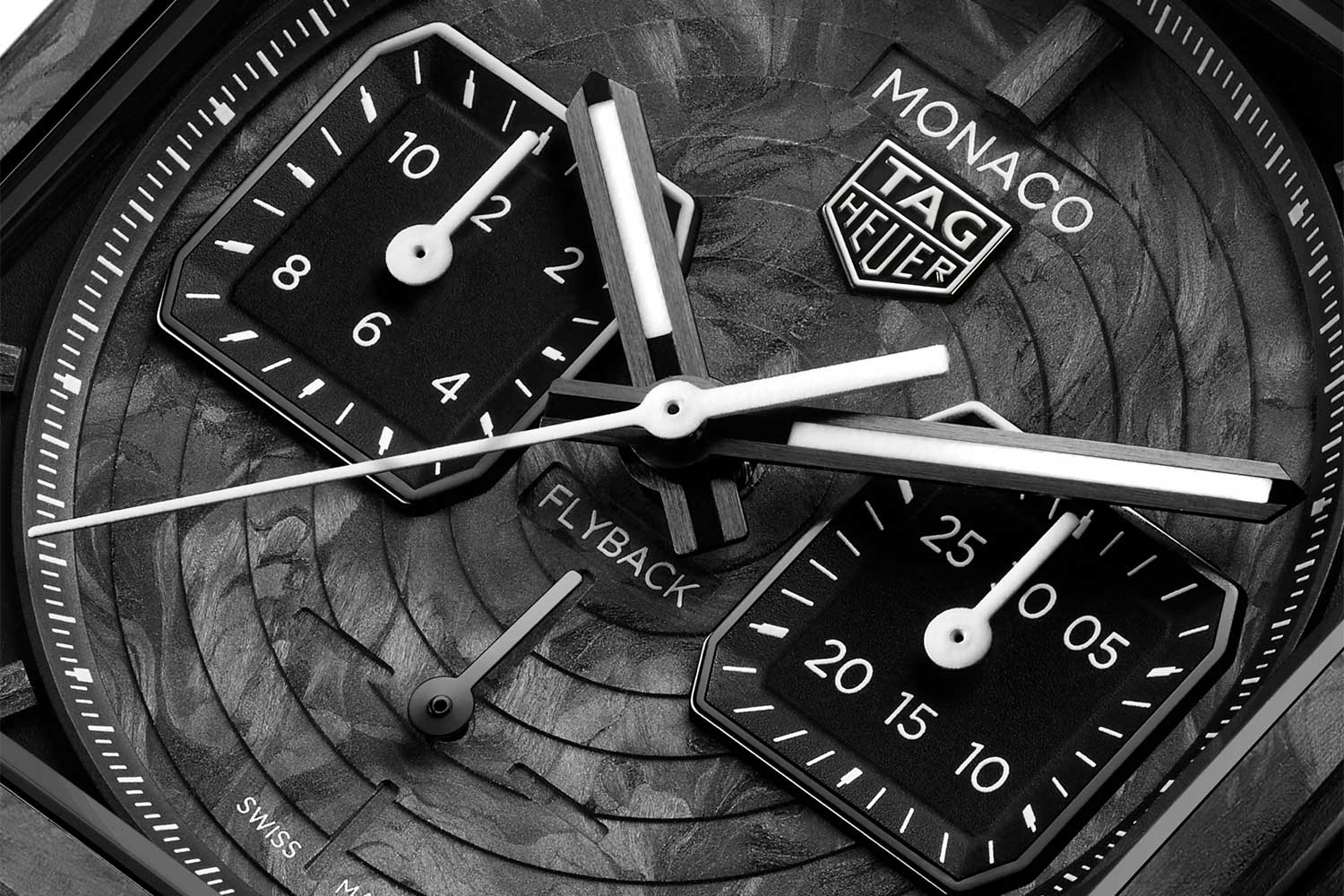
The impact of advanced materials and technologies in the watch industry
Long characterized by an aesthetic that has remained largely unchanged over time, watchmaking has traditionally been deeply rooted in heritage, with few radical transformations or evolutions. For many years, the sector was inextricably linked to traditional materials such as stainless steel, gold, and platinum.
However, in response to the demands of an ever-evolving world – faster, more technologically driven, and increasingly focused on sustainability – watchmakers have gradually been encouraged to rethink and expand the range of materials they use.
Today, a watch is no longer just an aesthetic object; it also reflects a highly innovative approach to the selection and use of advanced materials. Ultralight alloys, carbon fiber – traditionally used in the aerospace sector – and advanced composites are increasingly making their mark on contemporary watchmaking.
Nanostructured carbon to enhance performance in watchmaking
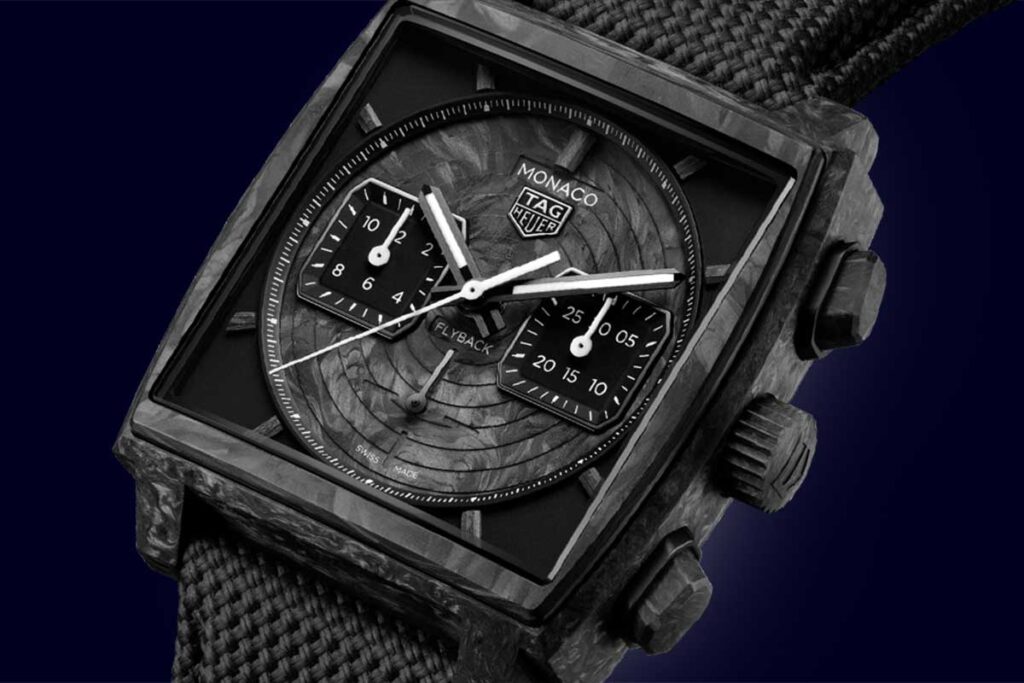
A first example comes from Switzerland’s TAG Heuer, which replaced the traditional silica balance spring with a new carbon version. This material shares many of silica’s properties: it is non-magnetic, extremely lightweight, and stable under temperature variations, while also allowing highly optimized geometries. However, carbon is far more shock-resistant, making it less vulnerable during handling.
Although introduced in 2019, the TH-Carbonspring only achieved scalable production in 2025 due to carbon’s natural tendency to absorb moisture and volatile substances such as oils. This challenge was overcome through a Chemical Vapor Deposition (CVD) process, which sealed the material’s porosities and formed a hydrophobic monolayer.
Nanostructured carbon, being non-magnetic, ultralight, and shock-resistant, allows the spring to maintain high precision while enhancing the mechanism’s responsiveness, delivering a truly high-tech watchmaking component.
Damascus steel between aesthetics and performance

Another notable example comes from the Swiss brand Tissot, which has innovated several of its models by introducing damascus steel, as seen in the Tissot PRX. Used for the case, bezel, and even the dial, this material not only creates distinctive visual patterns but also contributes to enhancing the watch’s overall performance.
Damascus steel is produced by combining two different stainless steel powders, arranged in alternating layers within a mold. The material is then subjected to hot isostatic pressing, a process that uses temperatures close to melting and pressures of up to 1,000 bar. The resulting block is finally machined with CNC equipment to create cases and dials.
This process produces a material with performance superior to conventional steel, featuring high corrosion resistance, good formability, and exceptional purity. Additionally, its properties make it suitable for marine environments down to approximately 100 meters of depth.
3D printing in carbon fibre composite for DIY watches

The platform The Printable Watch leveraged 3D printing and materials developed by 3DXTECH to manufacture most of the watch components, aiming to demonstrate how advanced materials and additive manufacturing can produce products with a premium look and feel. The 3DXMAX ASA material (polymer filament made of acrylonitrile styrene acrylate (ASA)) was used for the bezel, dial, case ring, case back, and crown, thanks to its resistance to UV rays and weathering.
The main case, on the other hand, was printed with CarbonX, a composite material that combines ASA filament with carbon fiber. The addition of carbon fiber increases the rigidity and dimensional stability of the component, allowing tight tolerances to be maintained.
A distinctive feature of the platform is its DIY approach, which allows users to purchase the various watch components separately and assemble them themselves, offering extensive customization possibilities.