Digital Wellbeing: Three Technologies beyond Healthcare
Today, users’ wellbeing—both mental and physical—stands at the core of research and innovation within the healthcare sector. This shift has been driven primarily by the rapid technological progress of the past decade, which has enabled the integration of increasingly sophisticated digital solutions. Wearables, smart devices and AI-based assistants, among others, are evolving beyond their original medical purpose and are beginning to permeate everyday life.
These advancements are reshaping the way we interact with systems, requiring a balance between simple, intuitive user experiences and growing technological complexity behind the scenes.
The Materially advisory team, which supports companies in identifying innovative and sustainable materials, has selected three examples from the Material ConneXion database that extend beyond traditional healthcare applications, driving users in their daily lives.

Semiconductor fabric for smart wearables
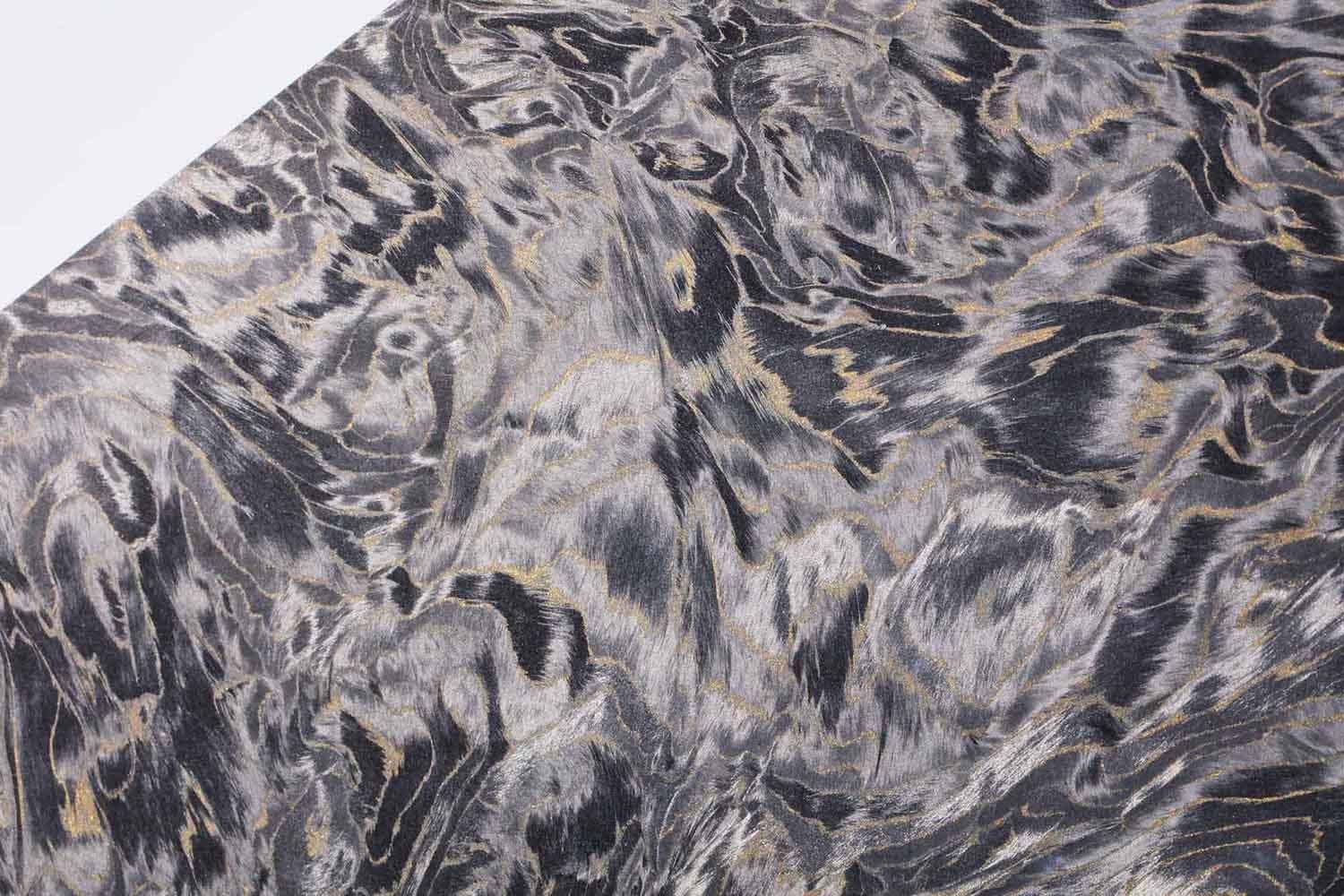
This fabric is essentially a wearable technology platform that integrates circuits directly into its structure, enabling the tracking of data from the objects we interact with. Unlike solutions based on conductive inks, the textile itself is composed of cotton, polyester, spandex and nylon, within which sensors made of stainless steel, copper, silver or, in some cases carbon, are embedded, transforming it into a smart material.
The result is a high-performance, durable fabric that offers greater moisture resistance while maintaining effective signal transmission across different parts of the garment. This semiconductive textile can detect movements linked to sports or physical activities in real time, transmitting the collected data via Bluetooth to a 5G-enabled smartphone app.
The company also develops APIs (Application Programming Interfaces) to gather and monitor this data, which can be stored in the cloud. The materials used are recyclable and RF-certified, ensuring safe radio emissions.
Currently, the technology is available in garments designed for professional athletes to monitor their performance, but it also shows promising potential for medical and healthcare applications.

Emotional microchip for IoT, AI and conversational robotics
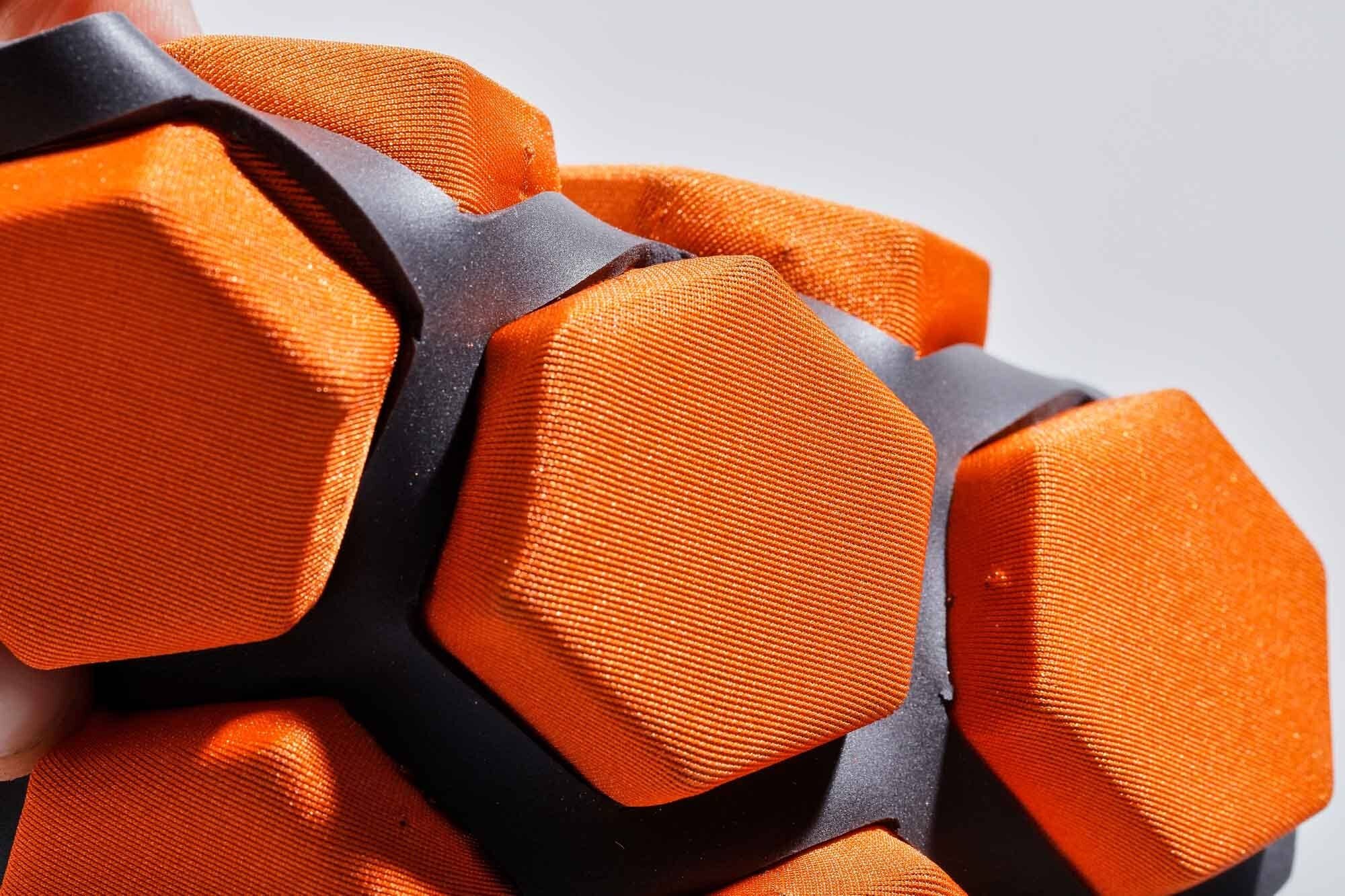
This new generation of microchips enables emotional interaction with IoT, AI and robotic systems. The technology allows smart objects to recognise and adapt to user behaviour thanks to an integrated conversational library containing over two million phrases.
Using an external camera, the system analyses the user’s facial expressions and interprets them through textual content processing. The camera can also detect subtle facial micro-movements, allowing it to identify the user’s preferences, reactions and potential aversions.
The aim is to integrate this type of interaction into devices and robotic solutions designed for emotional or mental support, entertainment, gaming or everyday voice assistance.
Biometric sweat-analysis monitoring patch
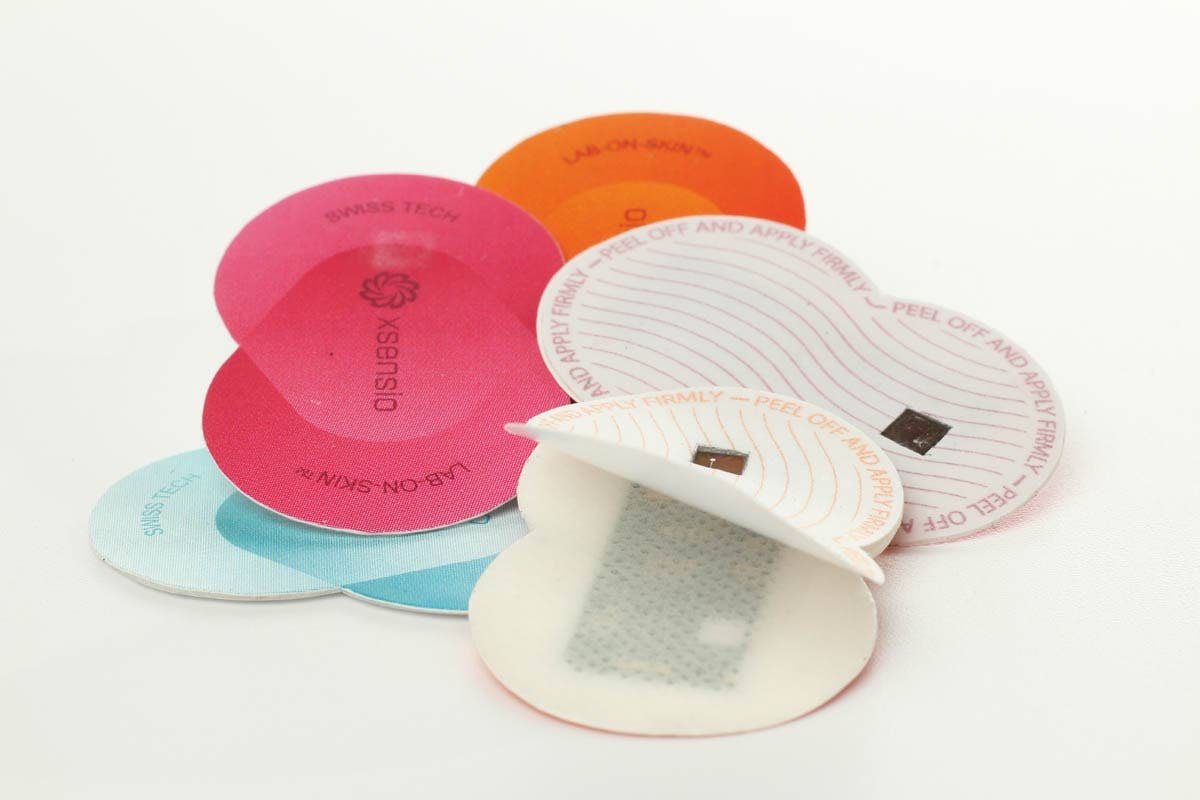
This patch enables continuous monitoring of a wide range of biochemical markers found in sweat. From electrolytes and metabolites to hormones and proteins, data is captured with high precision and transmitted to the cloud in real time. The chip contains dense arrays of miniaturised semiconductor sensors (up to 1,000 sensors/mm²), which can be coated with specific functional layers to detect targeted biomarkers. This allows measurement of dehydration levels, cortisol, urea, glucose, cytokines or lactate.
Thanks to these miniature sensors, the platform requires only a few nanolitres of sweat to perform multiple analyses, making continuous monitoring feasible in everyday settings. Its smart, fully passive design ensures extremely low energy consumption while maintaining high sensitivity.
The chip can be integrated into any disposable patch, enabling monitoring periods ranging from one day to a week. The patches come in different colours to identify various markets and applications: sports (orange), medical (pink), lifestyle (purple) and safety (green). Key applications include wearable devices such as smartwatches, wristbands and dedicated monitoring patches.
Contact Materially to learn more about the Materials Insights subscription from Material ConneXion: thousands of contents and trend reports on innovative materials, plus access to the Materials Library, featuring a database of 10,000 cutting-edge materials you can explore for your innovation projects.
For more information, please write to info@materially.eu.